Uterine Artery Embolization

Minimally invasive, uterus-preserving treatment for fibroids.

Get Expert Consultation

Why Choose Uterine Artery Embolization (UAE)?

Uterine artery embolization (UAE) treatment is an effective option for fibroids and bulky uterus treatment. It reduces symptoms linked to bulky uterus with fibroid including pain and heavy bleeding. Patients often ask what is the normal size of uterus in cm when fibroids like subserosal fibroid or subserosal uterine fibroid enlarge it. With transparent uterine artery embolization cost in Chennai, Uterine artery embolization (UAE) offers relief without surgery.

Non-Surgical

No open surgery, No Scars,No Sutures.

Quick Recovery

Most women return to their routine in 1-2 weeks.

Effective Results

Shrinks uterine fibroids and relieves symptoms like heavy periods and pelvic pain.

Preserve Your Uterus

Avoid surgery and keep your uterus intact.

How Uterine Artery Embolization Works

Step-by-step breakdown of the uterine artery embolization procedure.

Step 1: Evaluation & imaging

Your doctor reviews medical history and imaging (MRI or ultrasound), confirms fibroid presence and placement.
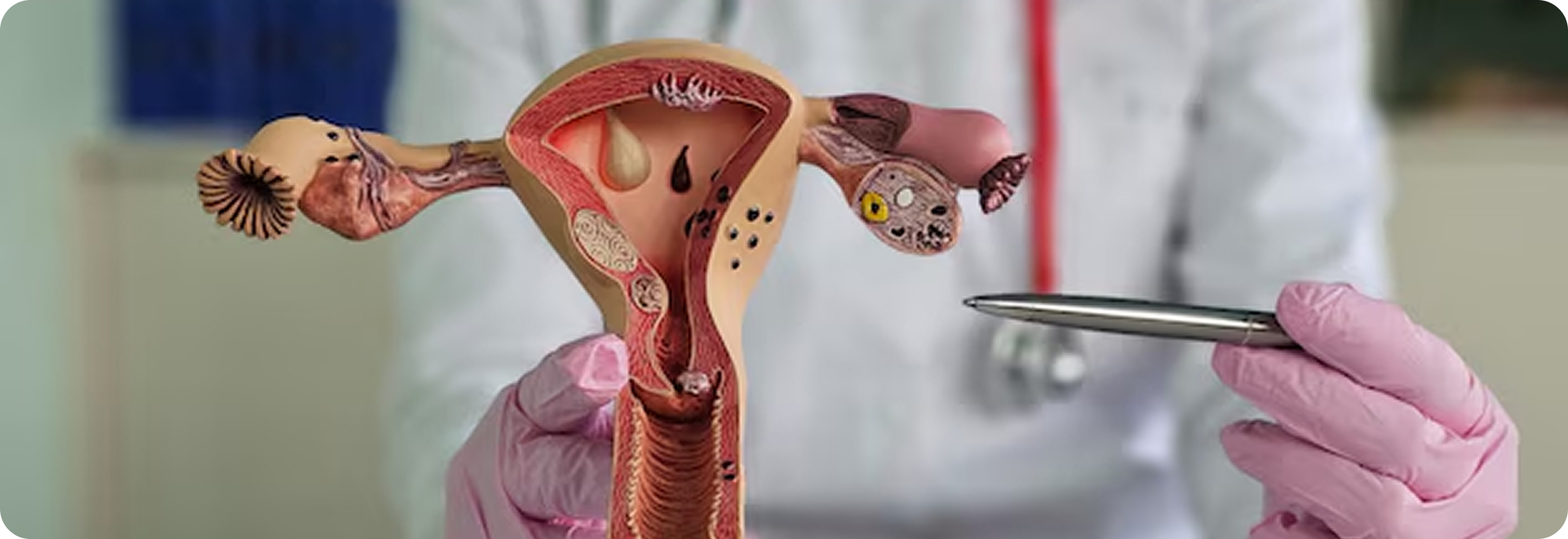
Step 1: Evaluation & imaging

Step 2: Access via wrist or groin

A thin catheter is inserted through a small puncture—usually in the groin or wrist—and guided using x-ray (fluoroscopy).
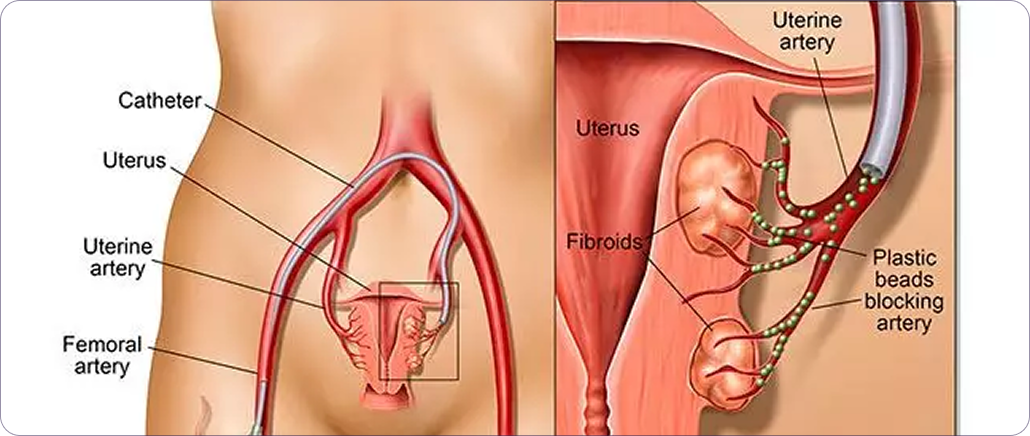
Step 2: Access via wrist or groin

Step 3: Guided contrast and mapping

Contrast dye is injected under fluoroscopy to highlight uterine arteries that feed the fibroids.
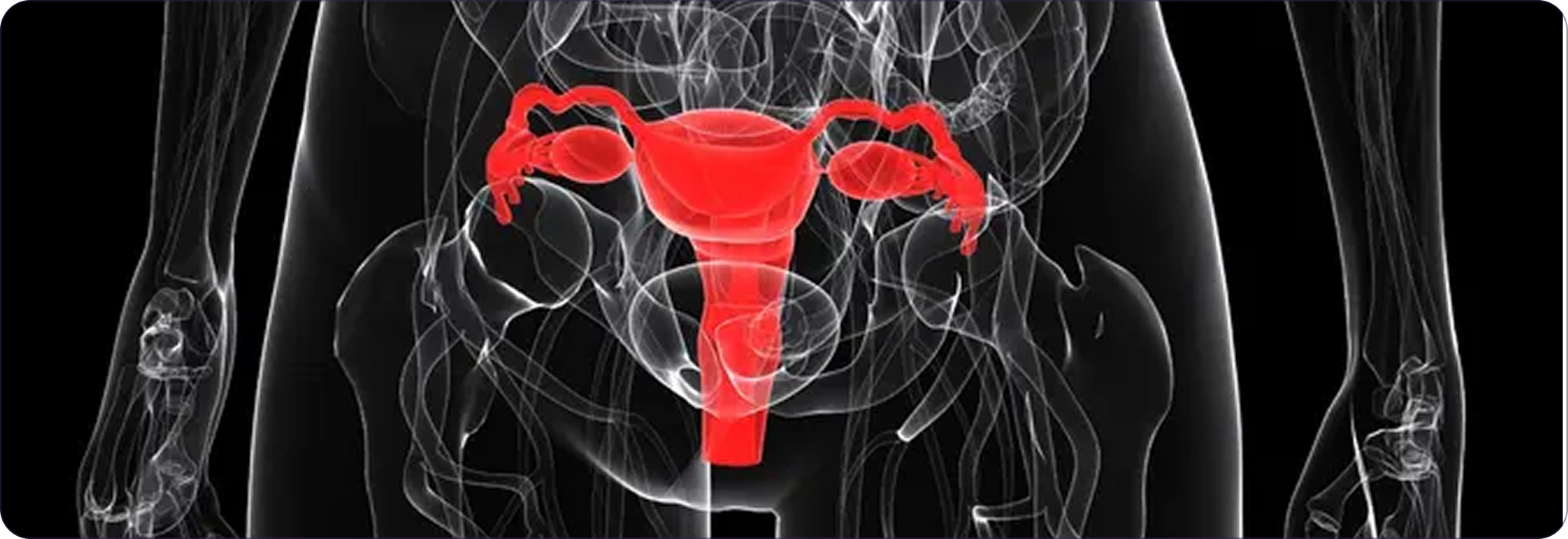
Step 3: Guided contrast and mapping

Step 4: Delivery of embolic particles

Microscopic particles (sand-sized, gelatin, or microspheres) are released via catheter to block blood flow to fibroids.
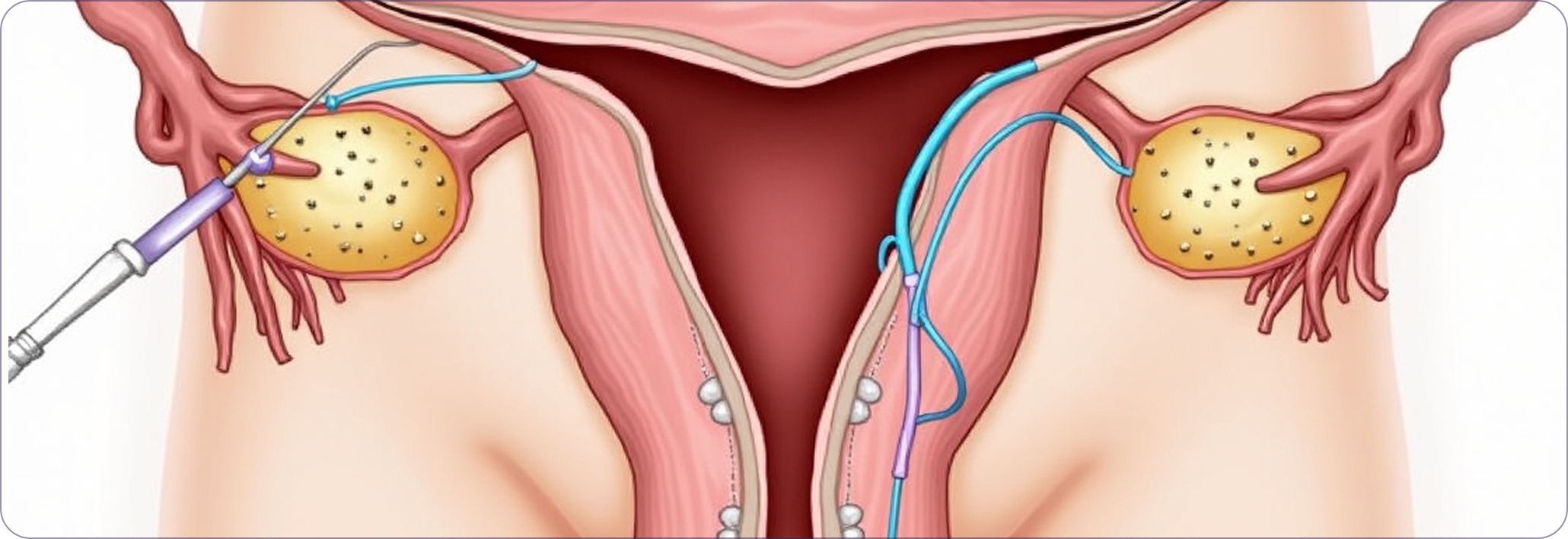
Step 4: Delivery of embolic particles

Step 5: Fibroid shrinkage begins

Without blood supply, fibroids gradually shrink over time—symptoms ease as the uterus recovers.

Step 5: Fibroid shrinkage begins

Are You Experiencing These Symptoms?

If you are experiencing any of these symptoms, talk to our expert team:

HEAVY MENSTRUAL BLEEDING

PELVIC PRESSURE OR BLOATING

PAIN DURING SEX OR BACKACHE

FREQUENT URINATION OR BOWEL PRESSURE

Why Patients Choose NoSurgeries

Surgery Isn’t
the Only Option

NoSurgeries offers advanced non-surgical treatments for conditions often managed with surgery.

Using Interventional Radiology, our minimally invasive procedures help reduce surgical risk, recovery time, and hospital stay while delivering effective outcomes.

Uterine Fibroids: No surgeries for uterine fibroids through Fibroid Embolization, a minimally invasive treatment that relieves symptoms like heavy bleeding while preserving the uterus.

Science-led. Patient-focused. Proven outcomes

Non-Surgical Alternatives

Non-Surgical Alternatives

Advanced treatments that avoid conventional surgery.

Minimally Invasive care

Minimally Invasive care

Needle-based procedures with precision imaging.

Lower Risk Profile

Lower Risk Profile

Fewer complications compared to surgery.

Faster Recovery

Faster Recovery

Return to daily life sooner.

Shorter Hospital Stay

Shorter Hospital Stay

Often day-care or minimal admission.

Patient-First Decisions

Patient-First Decisions

Clear guidance to help you choose confidently.

Think You Might Need
Fibroid Treatment?

Non-surgical, uterus-preserving solution available now

Get Expert Consultation

Compare Your Treatment Options

See how Uterine artery embolization compares to traditional surgical approaches.

Uterine Artery Embolization icon

Uterine Artery Embolization

Minimally invasive, preserves fertility, with a short recovery time.

Fibroid Surgery (Myomectomy) icon

Fibroid Surgery (Myomectomy)

Requires general anesthesia, longer recovery times, and hospital stays.

Hysterectomy icon

Hysterectomy

Permanent removal of the uterus, which eliminates fertility.

Treatment
Uterine Fibroid Embolization
Myomectomy
Hysterectomy
Procedure Type
Non - Surgical
Major surgery
Major surgery
Invasiveness
Minimally Invasive
Highly Invasive
Highly Invasive
Hospital Stay
0-1 day
1-3 days
1-3 days
Recovery
1-2 weeks
2-6 weeks
2-6 weeks
Recurrence
<10% at 2 years
<10% at 2 years
None
Reintervention
~12% at 2 years
~8% at 2 years
~7% at 2 years

What Happens in

Uterine Artery Embolization

Watch this short video to understand exactly how the Uterine artery embolization procedure works and what to expect on the day of treatment.

  • Detailed explanation of the procedure
  • Animation of how Embolization works
  • Hear from our medical experts

Watch Related Instagram Reels

Our Doctors

Our expert doctors provide personalized, non-surgical care with a patient-first approach, guiding you to safe and effective treatments.

Consult With Our Experts

Get Expert Guidance And Clarity On The Best Non-Surgical Treatments Tailored To You.

Our Care Custodian Will Call You Once You Share Your Details

The Care Custodian Will Understand Your Problem In Detail

The Right Solution To Your Query Will Be Addressed With Suitable Options

Consultation Will Be Fixed On Your Behalf

Frequently Asked

Questions

Got Questions? Find Quick Answers About Our Treatments And Patient Support.

UAE is a minimally invasive procedure that does not need the removal of the uterus (hysterectomy). While surgery includes physically removing fibroids or the entire uterus, UAE does not remove the uterus.

Member of ISVIR
WhatsApp